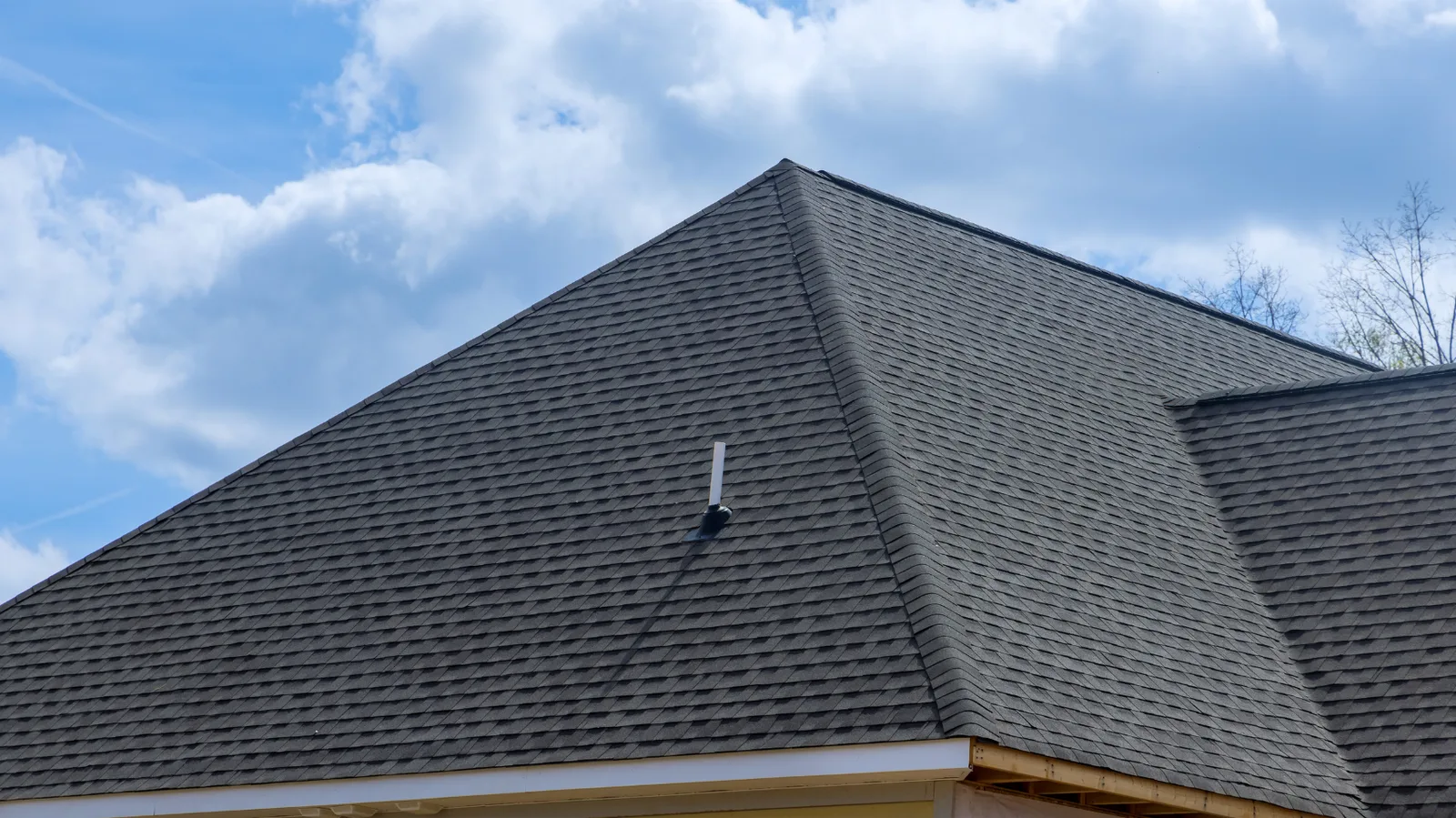
Roof replacement in Independence, MO
A new roof is a project for the whole assembly. Understand the removal, materials and work underneath before choosing the finished covering.
A free inspection. A closer look at the roof. A useful next step.
Plan the complete Independence roof replacement
A replacement gives you access to roof parts that a surface repair leaves in place. The old covering comes off, the exposed deck can be checked, and the underlayment, flashing and new roofing can be connected as a system. That is why a proposal needs more detail than a shingle name and a total.
For an Independence home, begin with the existing roof and the reason you are replacing it. Widespread wear, repeated failures and a planned renovation raise different questions. A free inspection helps establish the work to discuss and the conditions that may only become visible during removal.
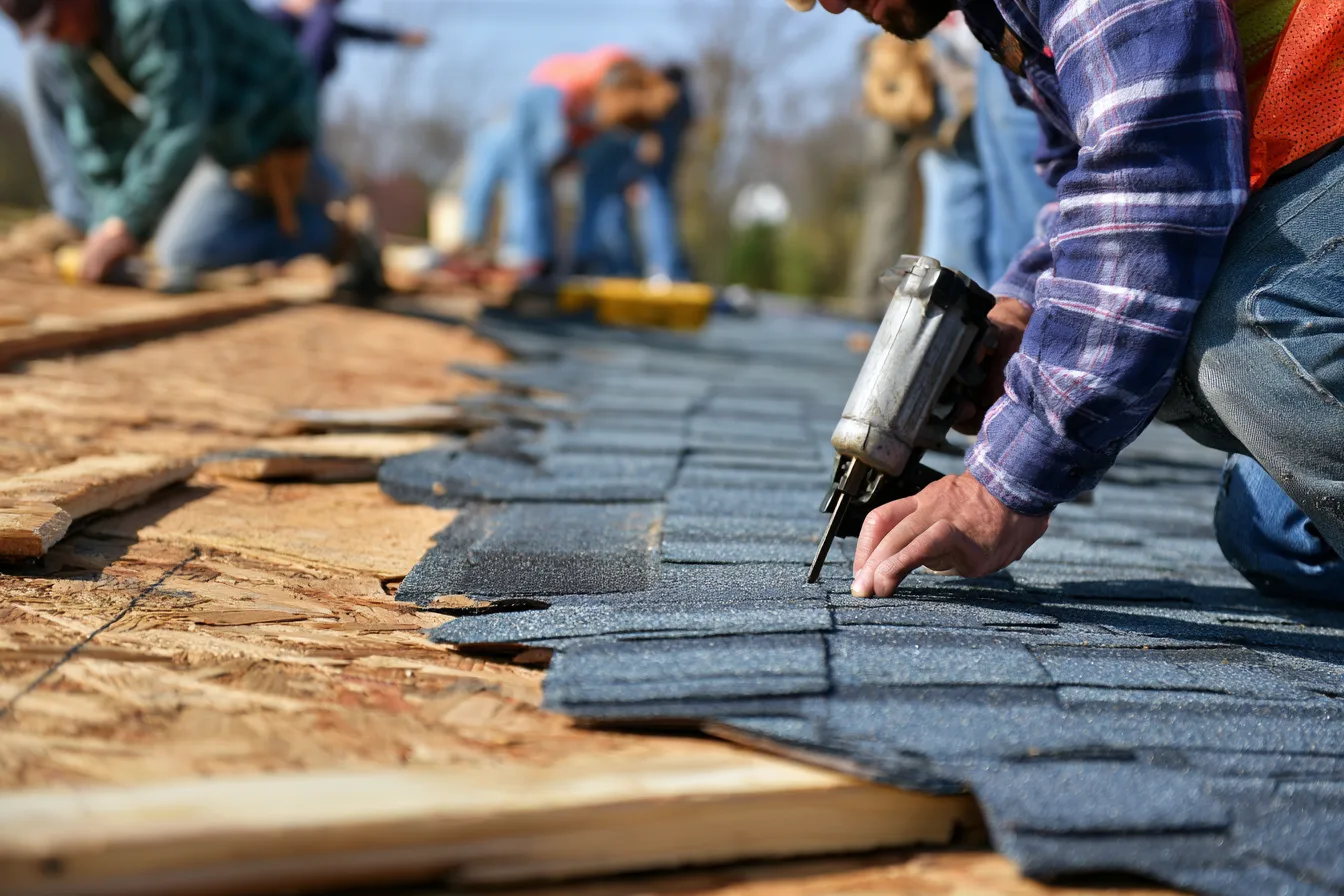
What an Independence roof replacement rebuilds, layer by layer
A replacement is the one time every layer of the roof is open at once. Here is what gets rebuilt, from the wood up.
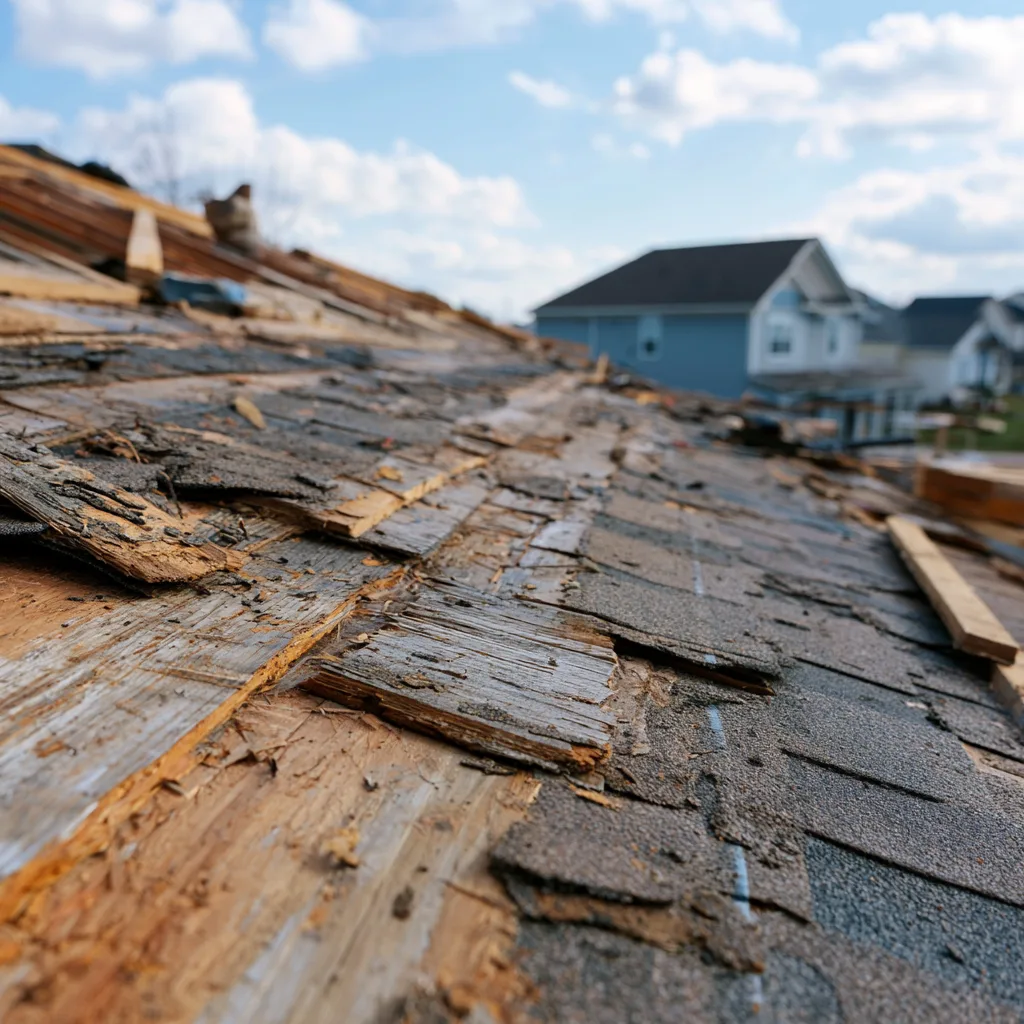
- Tear-off
The old shingles, underlayment and flashing come off down to the bare deck. Independence’s current city guidance allows one layer of roofing, so new shingles over old ones are off the table, and tear-off is what lets anyone see the wood underneath.
- The deck
Decking is the plywood, OSB or boards nailed across the rafters. Sound decking stays. Sections that are soft, delaminated, split or stained black from an old leak are cut out and replaced. On older houses with plank decking, boards with wide gaps or cracks that will not hold a nail get replaced or sheathed over.
- Edges and underlayment
Metal drip edge goes along the eaves and rakes so water drops into the gutter and stays off the fascia board. A self-sticking waterproof membrane covers the places that see the most water: valleys, around openings and, in a freeze and thaw climate like ours, along the eaves where ice can back water up under the shingles. Underlayment then covers the rest of the deck as a second line of defense.
- Flashing, valleys and openings
Walls, chimneys, skylights, vents and valleys are where replacements succeed or fail. New step flashing at walls, new boots on the pipes and new valley lining go in as the shingles are laid, worked into the courses. Sound metal buried behind brick or siding is sometimes kept. When it is, that should be a decision written into the scope, never a shortcut.
- Ventilation
An attic needs air coming in low at the soffits and leaving high at the ridge or through roof vents. Replacement is the practical time to cut in a ridge vent, swap tired box vents or clear an intake that insulation has blocked. New shingles do not cure an attic that cannot breathe.
- Shingles, ridge and cleanup
Starter strip goes along the edges, the field shingles are nailed course by course on the marked nailing line, and the hips and ridge get their cap shingles. The old roof leaves in a dumpster or trailer, and the yard, beds and driveway are swept with a magnet for nails.
How an Independence roof replacement unfolds
This order holds for most shingle roofs. How long each stage takes depends on the size and shape of the roof, the weather and what tear-off uncovers.
Permit, materials and the driveway
A home reroof in Independence needs a city permit, so that is settled before the start date, along with who applies for it. Materials and a dumpster or dump trailer arrive, usually on the driveway, so cars come out of the garage first.
Tear-off, one section at a time
The old roof comes off in sections sized to what can be made watertight again the same day. Tarps and plywood protect siding, windows, shrubs and the AC unit from falling debris.
Deck check and wood repairs
With the deck bare, the crew walks it, finds the soft or damaged sections and replaces them. This is when any extra decking gets counted.
Dry-in
Drip edge, waterproof membrane and underlayment go down. From this point the house is protected from rain even before a single shingle is on.
Shingles, flashing and vents
Shingles go on from the eaves up, with flashing, boots, valleys and vents built in as each area is reached. Ridge caps finish the top.
Cleanup and a last look
Debris is hauled off, gutters are cleared of granules and scraps, a magnet goes over the lawn and drive, and the finished roof is checked over. If the permit calls for a city inspection, that is part of closing out the job.
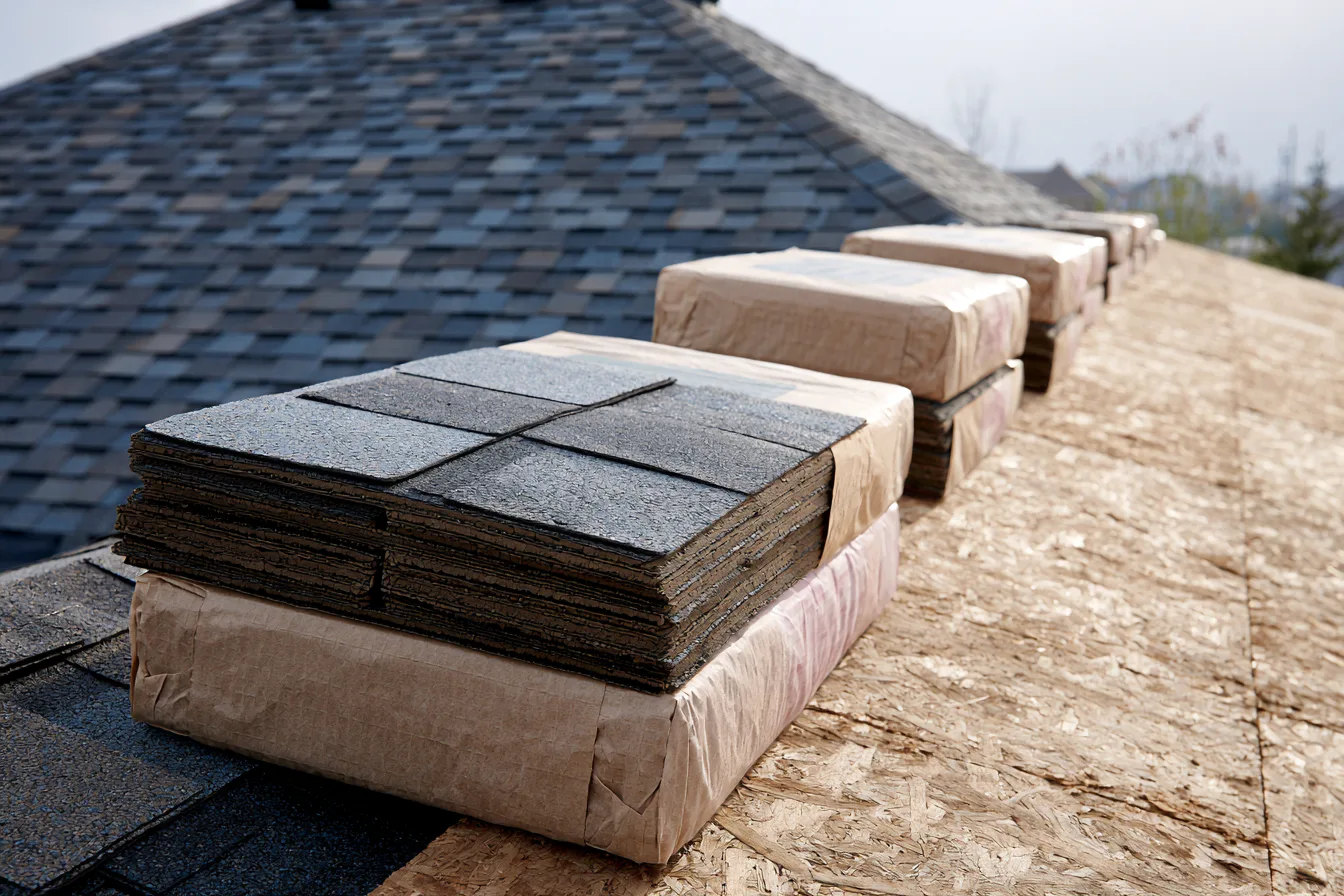
What changes Independence roof replacement costs
Two houses with the same floor plan can get very different replacement prices. The difference is almost always in the items below.
| What changes the price | Lower end | Higher end |
|---|---|---|
| Size and shape of the roof | A simple gable: two big rectangles, few cuts, little waste. | Hips, dormers, valleys and several small roof planes. Every change of direction means more cutting, more flashing and more labor for the same area. |
| Pitch and height | A single story the crew can walk comfortably. | A steep or two-story roof, where the crew works from roof jacks and harnesses and everything moves slower. |
| What comes off | One layer of shingles over a clean deck. | Two or more old layers, which means more labor and more weight to haul away. |
| The deck underneath | A handful of sheets or boards replaced. | Wide areas of rotted or gapped decking. Nobody can count this until tear-off, so it is priced per sheet or per foot. |
| Flashing and openings | A couple of pipe boots and a clean roof edge. | Chimneys, skylights and long wall joints, each with its own metal work. |
| The shingle itself | A standard architectural shingle. | Impact-rated or designer shingles, which cost more per bundle and can need matching accessories. |
A price built from a roofer’s look at the actual roof, with the decking terms spelled out, is the one worth comparing.
What an Independence reroofing proposal should include
When these four items are written down plainly, two proposals can be compared on the work they include and not only on the total.
Removal and disposal
The scope says which layers come off and how the waste leaves the property. Independence’s current city guidance allows one roofing layer, so a residential overlay should not be assumed.
Decking and concealed conditions
The deck has to hold the new roof. A clear scope gives a price per sheet or per board for bad decking and says how extra wood is counted and approved before it is added to the bill.
Flashings and roof connections
Valleys, vents, walls and chimney connections need an explicit scope. Reusing a detail and replacing it are different decisions, especially where old metal is concealed by roofing or siding.
Underlayment and ventilation
The scope names the underlayment and the waterproof membrane and says where each goes, along with any ventilation changes and the finding behind them.
Choosing shingles for an Independence roof replacement
A shingle’s look, its impact classification and its warranty answer separate questions.
The look on the house
View a physical sample beside the exterior materials. A small screen image can hide variations in color and shadow across a large roof.
The tested product
Ask for the exact product and any impact classification. Architectural construction alone does not establish a particular impact rating.
The written coverage
Compare the named warranty, its issuer and eligibility. Product defects and installation problems may have different terms and remedies.
Prepare your Independence property for roofing work
Confirm the project responsibilities
Settle the permit applicant, the applicable city requirements and how inspection requests are handled. Keep the written scope available for the work.
Discuss access and everyday use
Point out the driveway, gates, pets and rooms that need particular attention. For a rental, identify the owner’s contact and coordinate access with the occupant.
Plan for the workday and closeout
Ask about staging, temporary weather protection, cleanup and the final review. The contractor should explain how those items fit the actual property and job.
Roof Replacement FAQs
Does an older roof automatically need replacement?
No. Age is useful context, but the condition of the covering, connections and deck determines the work. A sound roof with a local defect may still be a repair question. Widespread deterioration needs a broader assessment.
Can I stay in the home during roof replacement?
Discuss that with the contractor for the actual scope. Noise, debris handling, access and any interior or structural work can affect how the house is used. Explain work-from-home needs, pets and other occupancy concerns before scheduling.
Can new shingles go over the old roof?
Independence’s current Building Inspections page states that only one layer of roofing material is allowed. Confirm the project requirements with the city and make removal clear in the proposal.
How much will my replacement cost?
Roof area, access, material choice, connected details and damaged decking all affect the price. Use a written scope for the actual roof and the roof cost comparison tool to identify what is included or still unclear.
Put the replacement plan on a firmer footing
Tell us about the roof, the property and what you would like to change. A free inspection gives the replacement discussion a useful starting point.
Call (816) 427-2878