Roofing in Englewood, Independence
Roof repair and replacement for the Englewood and Procter neighborhoods: houses from the 1910s through the 1930s, the storefronts along Winner Road, and the new backyard buildings the West Central overlay now allows.
A free inspection. A closer look at the roof. A useful next step.
Roofing help for Englewood and Procter homes
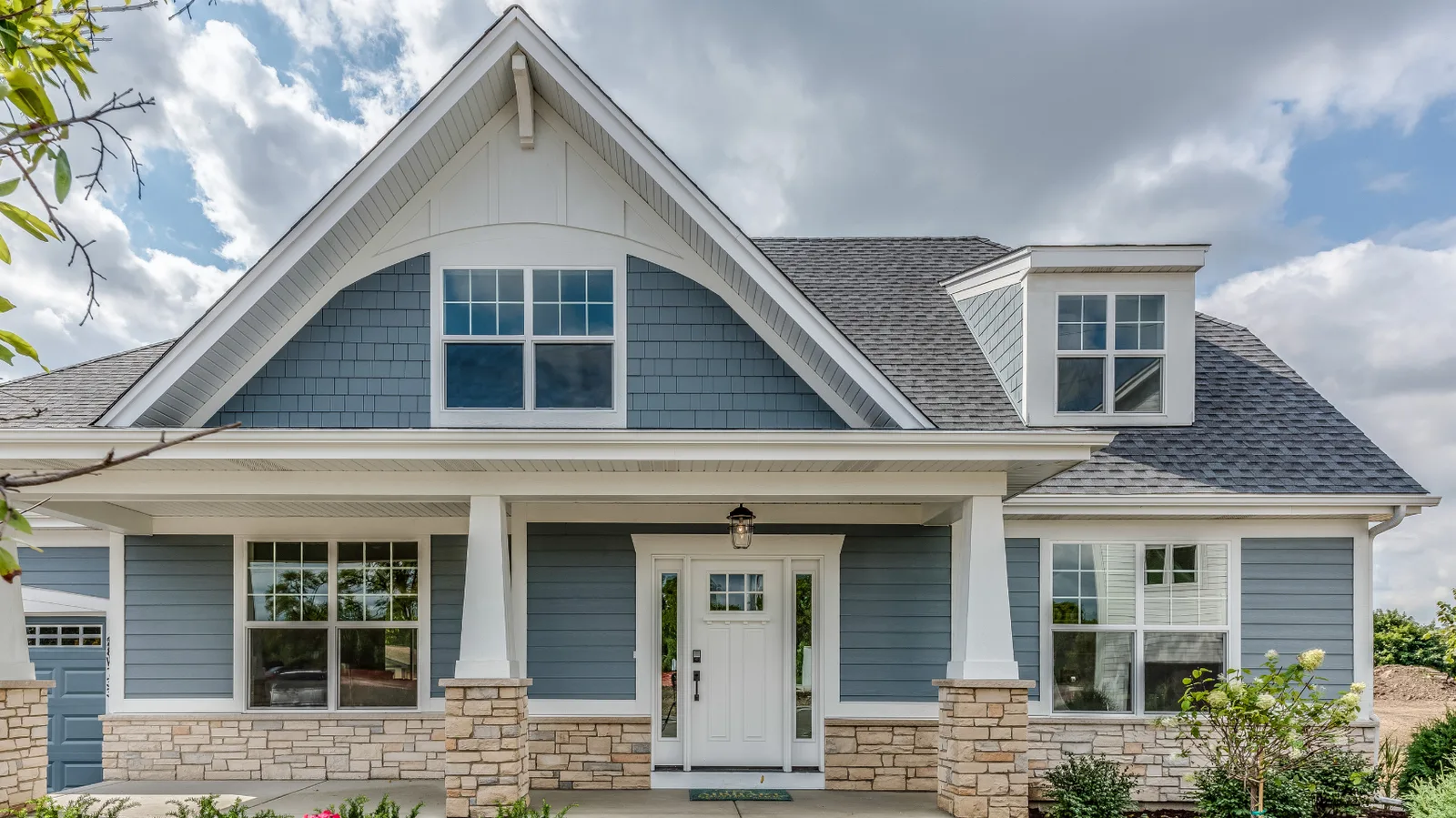
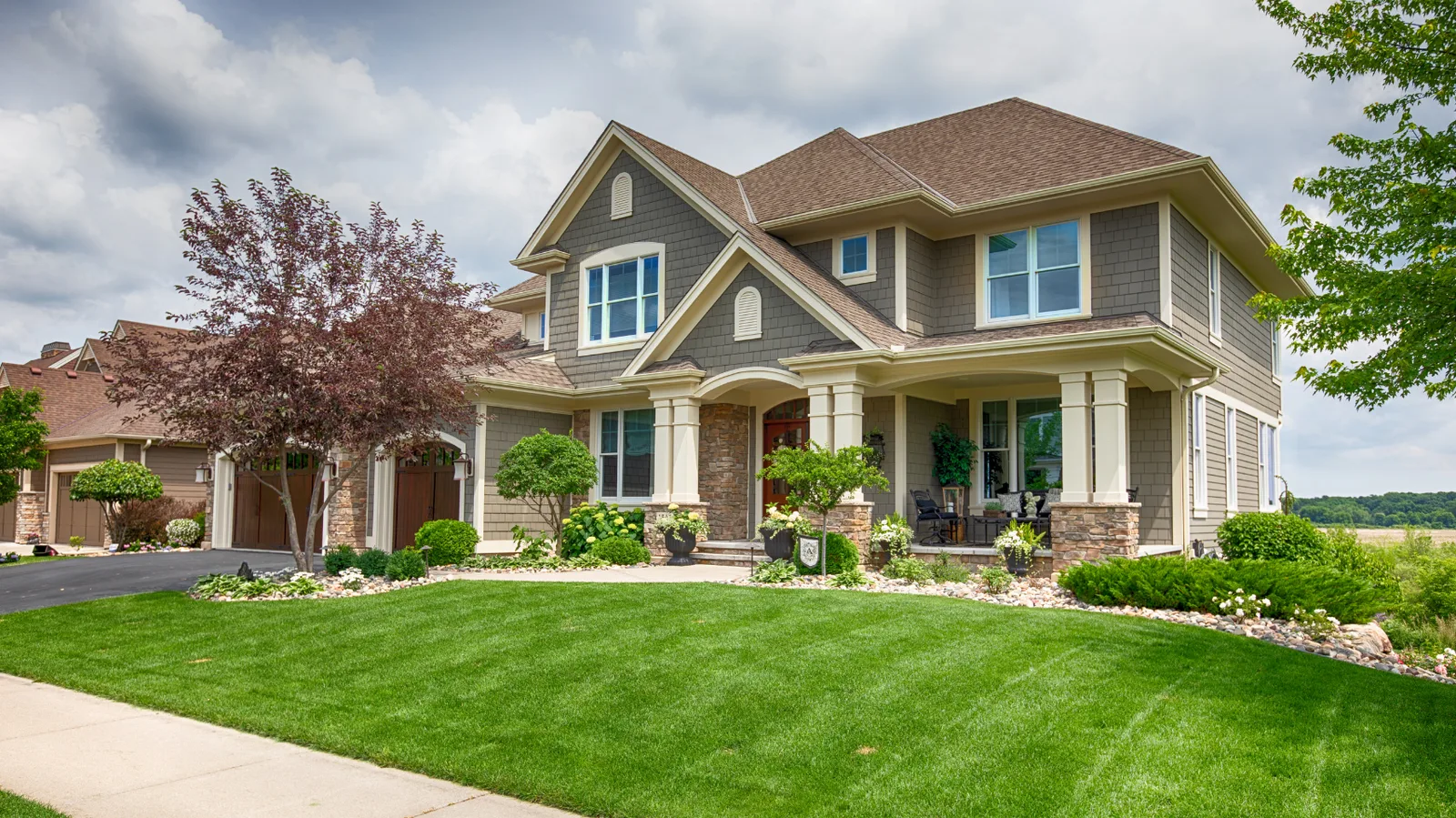
Between Sterling and Crysler, south of Winner Road and north of 23rd Street, most of the houses went up between the 1910s and the 1930s, with a few older farmhouses and some later infill mixed in. Gable fronts, Foursquares, Craftsman bungalows, Tudor and Colonial Revivals give these blocks their character. Where earlier repairs, added layers or altered porch connections are present, their condition belongs in the roof assessment.
You do not need to reconstruct every earlier repair before asking for help. A safe inspection examines visible covering and connections, while records or further investigation can help with concealed history. A worn valley or porch connection may support local work; broader deterioration can lead to a replacement discussion.
The inspection is free, with a roof walk where access and conditions allow it safely. Bring the concern you have noticed; the findings help explain the useful next step and anything that remains concealed.
What is under a hundred-year-old Englewood roof
- Board decking
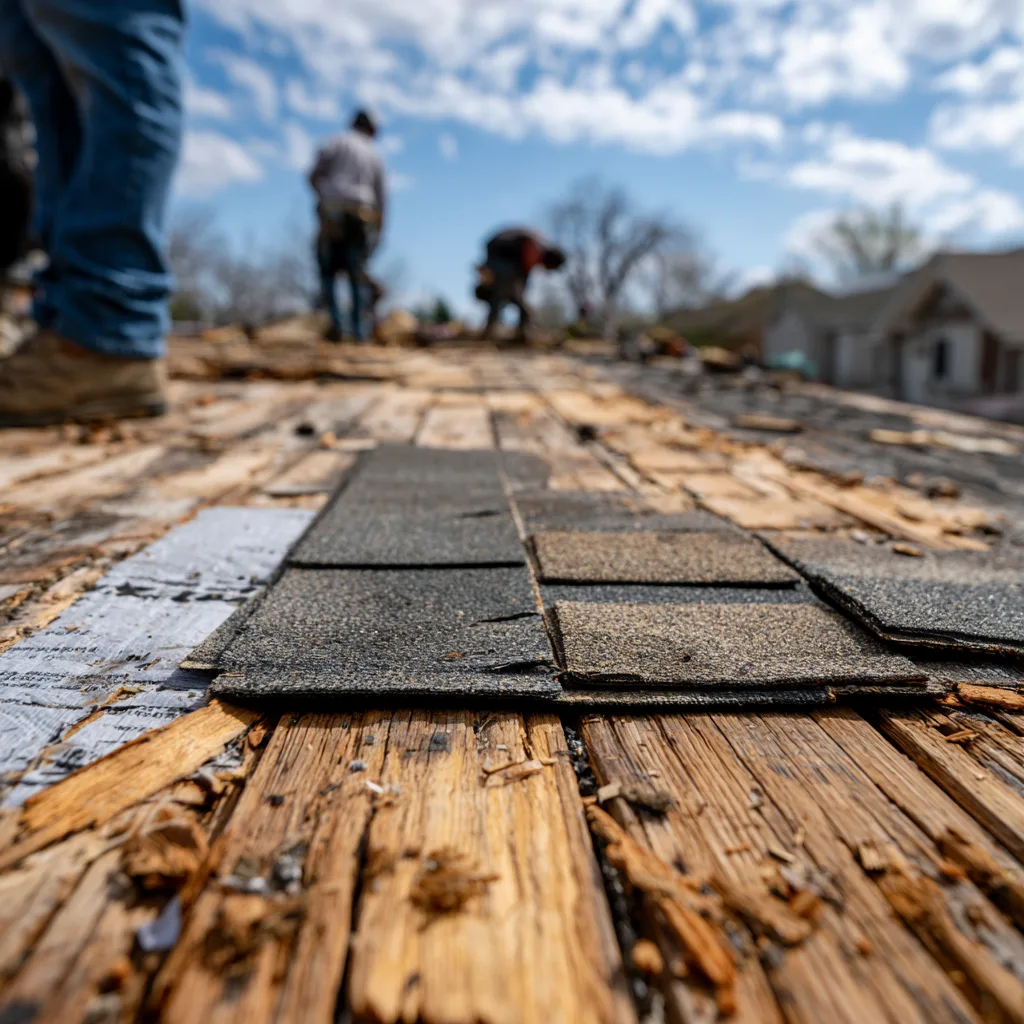
An older roof may have board decking with different widths and spacing. Assess its condition, support and fastening suitability for the selected covering. Deteriorated boards or support need appropriate repair or replacement. A sound retained deck may need an approved overlay where its spacing or surface does not suit the new system. Define the added-work pricing and authorization method before removal reveals the full extent.
- A second layer
An older roof may retain layers from earlier work. Independence’s current residential guidance allows one layer, so make removal explicit in a replacement scope. Tear-off exposes the upper deck surface for assessment.
- Porch roofs with too little pitch
A porch can have a lower pitch than the main roof. Measure the actual slope and identify the covering: asphalt shingles have product and slope limits, while lower pitches may need a suitable membrane assembly. A porch stain calls for investigation of both the covering and its wall connection.
- Hips and the roof-to-wall joint
Hip and ridge caps, sidewall flashing and roof-to-wall transitions need their own assessment. A stain near a wall can come from the roof connection, the wall above it or another water path; the inspection should follow the evidence.
A house, a Winner Road storefront, or a new backyard unit
Englewood is not only houses. The storefront blocks along Winner Road, including the 1949 Englewood Theater, hold shops, galleries and restaurants, and since November 2024 the West Central overlay allows detached accessory dwelling units on the lots around them. Each of those is a different roof.
The house you live in
For a shingle roof, local work needs usable surrounding material and sound supporting details. Replacement brings removal, deck assessment and the city permit into the scope.
How a replacement is plannedA storefront on Winner Road
If your building on the district blocks has a low-slope roof behind a parapet, the trouble spots are the drains, the parapet flashing and the seams, and an inspection concentrates there rather than on the field.
Flat roof repair for a storefrontA new detached ADU
The West Central overlay creates a route for qualifying detached accessory dwellings. The lot, approved plans and current zoning requirements determine what can be built. Its roof needs slope-appropriate materials and a ventilation or unvented assembly suited to that design.
Shingle options for a new roofEnglewood roofing FAQs
Can new shingles go over the old ones on my Englewood house?
Not any more. The city's current reroofing rule for homes allows only one layer, so a replacement is a tear-off. The roofing permit guide explains the permit that goes with it.
The porch roof leaks but the main roof seems fine. Is that a full roof job?
A porch problem can be limited to that roof, but its slope, covering, wall connection and surrounding condition need assessment. A low-slope membrane is one possible solution where the measured pitch makes shingles unsuitable.
Is Englewood in a historic district with exterior review?
The city has one locally designated historic district, the Truman Heritage District near the Square, and 27 individual local landmarks. Unless your specific building is one of those landmarks, roofing material choices here do not go through the Heritage Commission. The building permit is the city step.
Does a new accessory dwelling unit need its own roofing permit?
A detached ADU is new construction, so its roof is covered by the building permit for the unit rather than a separate reroofing permit. Whether your lot qualifies under the overlay is a zoning question for Community Development, and that comes before any roofing conversation.
Tell us about your Englewood roof
A stained porch ceiling, a valley that looks worn, or a storefront roof that ponds after rain. Share the street and what you have noticed, and a roofer walks it for free.
Call (816) 427-2878