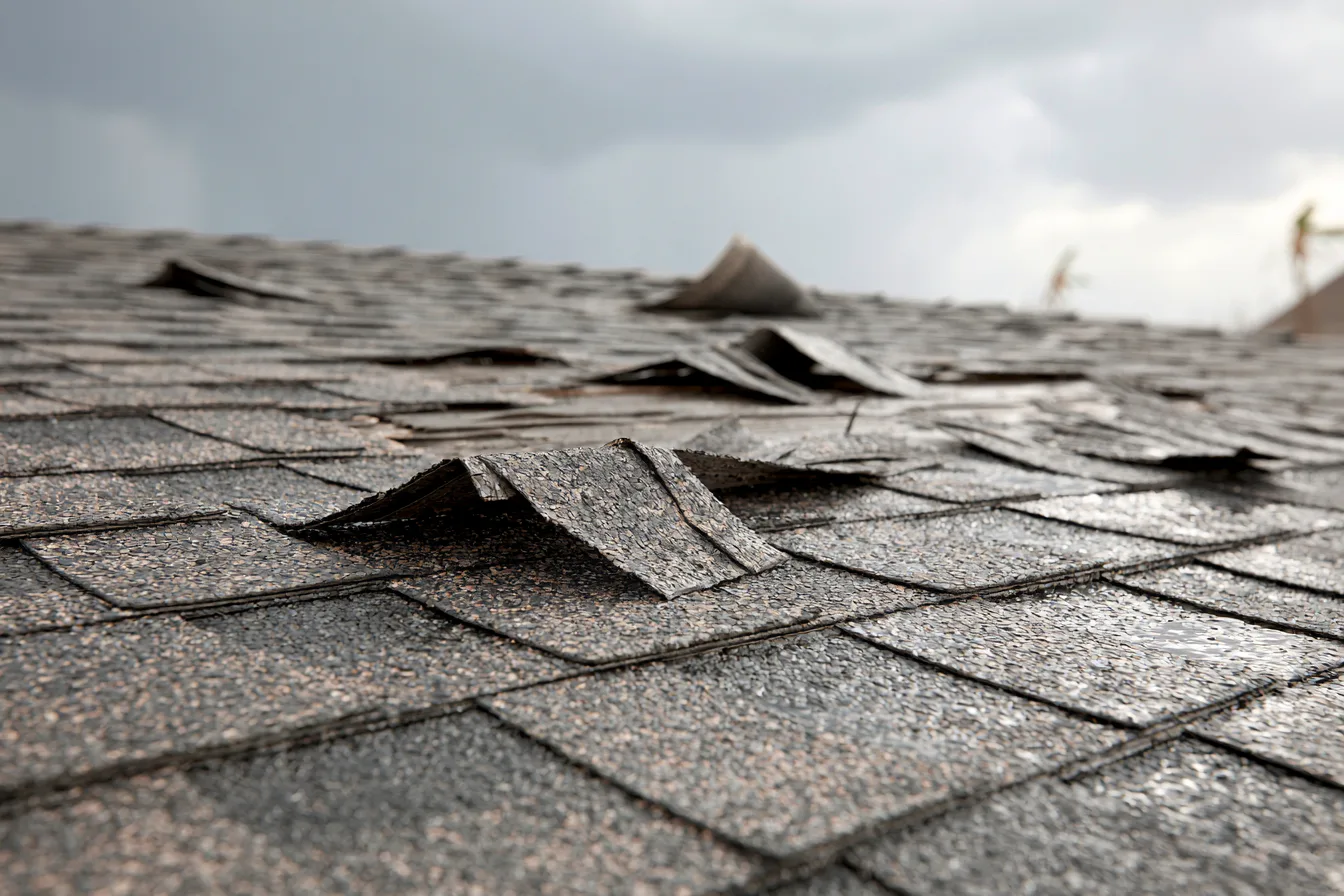
Roof insurance claims in Missouri: a practical starting point
Separate the roof repair question from the policy decision. Keep clear records and ask the insurer about the terms that apply to your property.
A free inspection. A closer look at the roof. A useful next step.
The roof needs an assessment. Coverage needs the policy.
After damage, an owner needs to understand two things: what the roof needs and what the insurance policy covers. The roof assessment informs the work. The insurer applies the policy, endorsements, deductible and claim findings. A contractor’s replacement recommendation does not by itself establish coverage.
Missouri’s insurance department provides roof-coverage guidance for policyholders. Use it alongside your own policy and insurer’s instructions, especially when the settlement method or responsibility for part of the cost is unclear.
Keep the roof findings and claim records connected
Record what you can see safely
Note when damage or water appeared and keep accessible photos. Stay off damaged roofs and out of unstable areas. Retain records of temporary protection and repair costs.
Contact the insurer about the policy
Ask about reporting procedures, documentation, deadlines and any directions for temporary work. Use the contact information in your policy or the insurer’s official channels.
Get the roofing scope clear
Keep the itemized proposed work and the findings supporting it together. If the roof investigation changes the scope, the new information belongs in the claim discussion too.
Why roof claim payments can differ
The Missouri Department of Insurance roof guide distinguishes settlement approaches and emphasizes that the policy and endorsements determine coverage.
Actual cash value
ACV takes depreciation into account when valuing covered property. Ask the insurer how the roof’s condition and policy terms affect its calculation.
Replacement cost terms
RCV coverage differs from ACV, but the policy still governs the payment process and requirements. Ask what is paid initially and what evidence is needed for any later amount.
Deductibles and limitations
The applicable deductible, exclusions and roof endorsements affect the owner’s share and covered scope. Confirm the actual terms rather than assuming they match a neighbor’s policy.
When the roofing scope changes
If additional damage becomes apparent, it should be documented and explained through an itemized revised scope. Missouri’s supplemental-claim guidance describes submitting an estimate for additional work, materials and costs to the insurer.
A supplemental estimate is a request for review, not an automatic approval. Keep the insurer’s response and the contractor’s agreed work aligned so you understand what has been authorized, what is still being considered and what cost remains your responsibility.
Roof Insurance FAQs
Will an older roof be covered after a storm?
The cause of damage and the actual policy terms matter. Age can affect valuation or coverage provisions, but it is not enough by itself to answer a claim question. Ask the insurer about your roof-specific terms.
My neighbor’s roof was approved. Will mine be approved?
Not necessarily. Roof conditions, damage findings and policies can differ. Your insurer reviews your property and coverage.
Does an insurance claim make the roof free?
Do not assume that. Deductibles, excluded work, limits and settlement terms can leave an owner responsible for costs. Ask for a clear explanation of the payment and your share.
Can I request a roof inspection before deciding what to do with insurance?
Yes. A free roof inspection can help establish the physical roof condition. Ask the insurer separately about reporting requirements and policy deadlines.
Have the roof condition assessed
Tell us about the damage or leak at the property. Start with a free roof inspection and a clearer understanding of the work under consideration.
Call (816) 427-2878