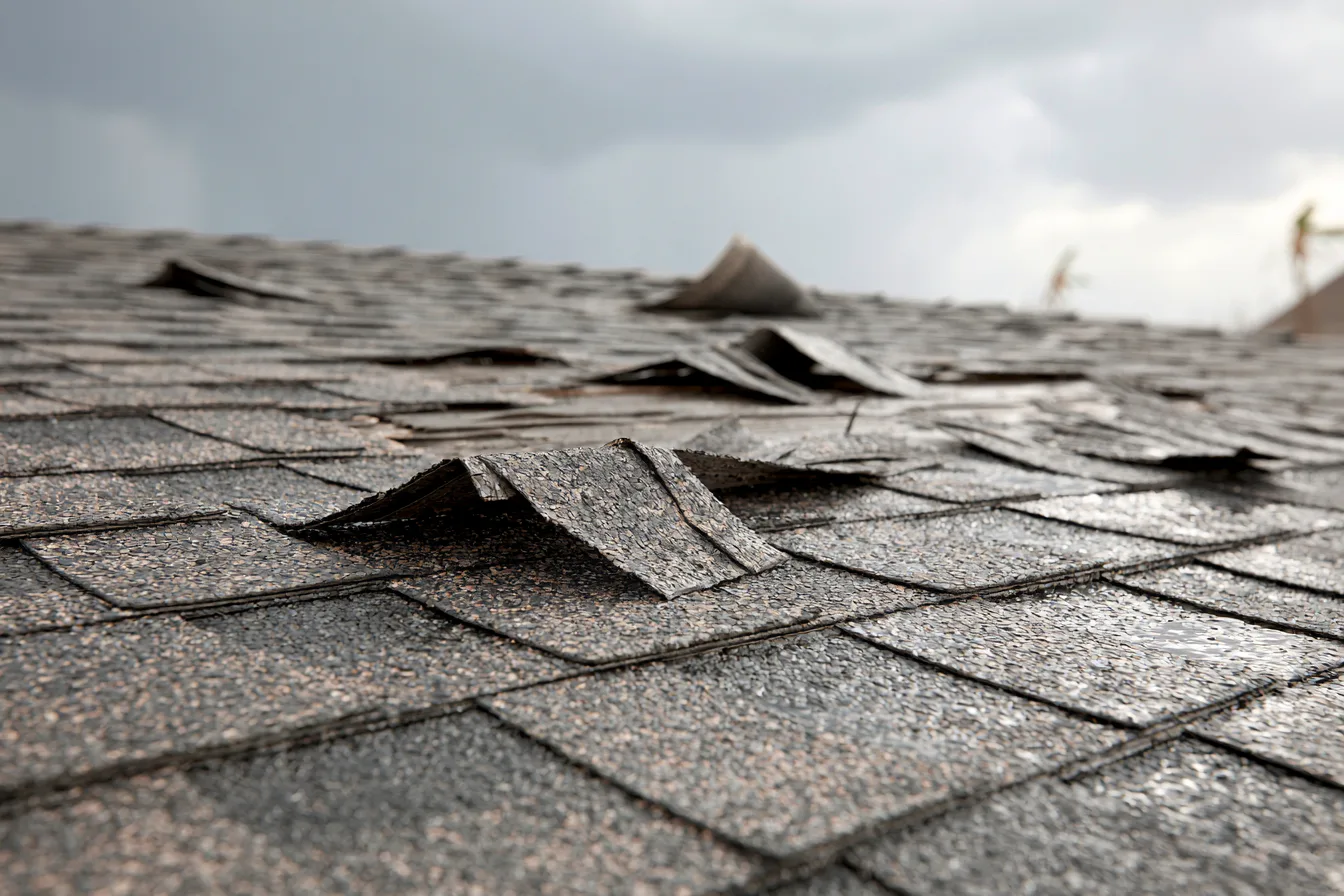
Roof repair in Independence, MO
A leak deserves an answer at the roof, not another stain repair inside. Get help tracing the source and understanding how much roofing work is needed.
A free inspection. A closer look at the roof. A useful next step.
Independence roof repairs that reach the source
The wet patch on a ceiling tells you where water has arrived. It does not necessarily tell you where it entered. Water can move along roof decking or framing before it reaches an opening in the ceiling, so sealing the roof directly above the stain can miss the problem.
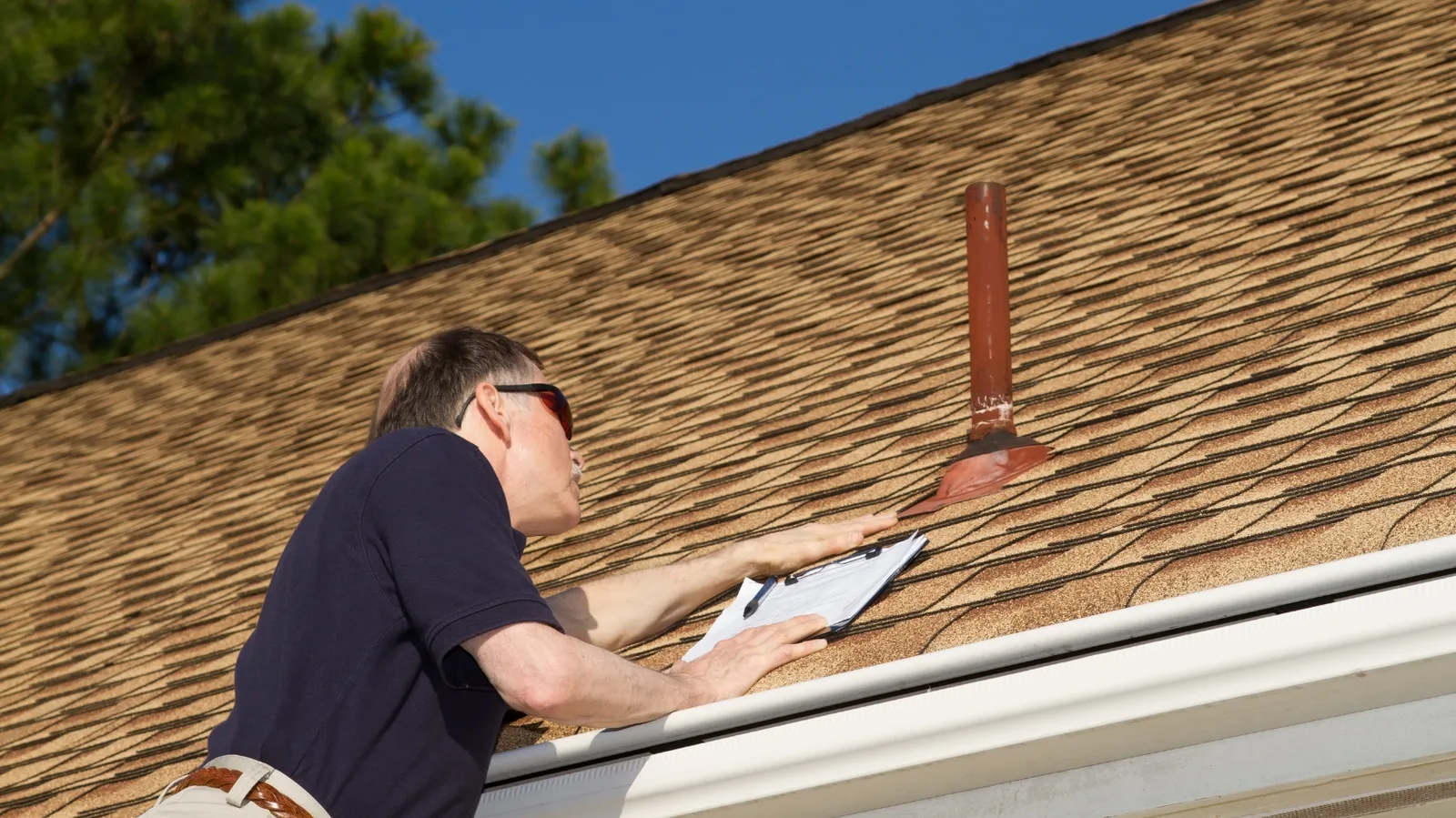
A roof repair starts by following that path and checking the details that interrupt the shingles: plumbing vents, roof-to-wall joints, chimneys and changes in roof direction. A failed flashing detail can leak while the shingles beside it still have useful service left.
Tell us which room is affected and what you have already seen. A free inspection can put the repair conversation on firmer ground.
What an Independence roof repair involves, part by part
A lasting repair has to tie into sound material. What that takes depends on which part failed.
- Missing, torn or creased shingles
A shingle is held by nails hidden under the course above it and by a strip of adhesive that bonds it to the course below. To replace one, the roofer breaks that bond on the neighboring shingles, lifts them, pulls the nails, slides the new shingle in, nails it and seals the tabs back down. A few shingles blown off a slope is a small job. The catch is the lifting: shingles that have gone stiff with age can crack when they are bent up, and each one that cracks becomes part of the repair.
- Pipe boots and roof vents
Every plumbing vent comes through the roof inside a boot, a flashing with a rubber or metal collar that hugs the pipe. Sun dries the rubber until it splits, and rain then runs straight down the outside of the pipe into the attic. Replacing the boot means lifting the shingles above and beside it, setting the new flashing under the uphill courses and over the downhill ones, and sealing the shingles back. Box vents and exhaust caps are handled the same way.
- Flashing at walls and chimneys
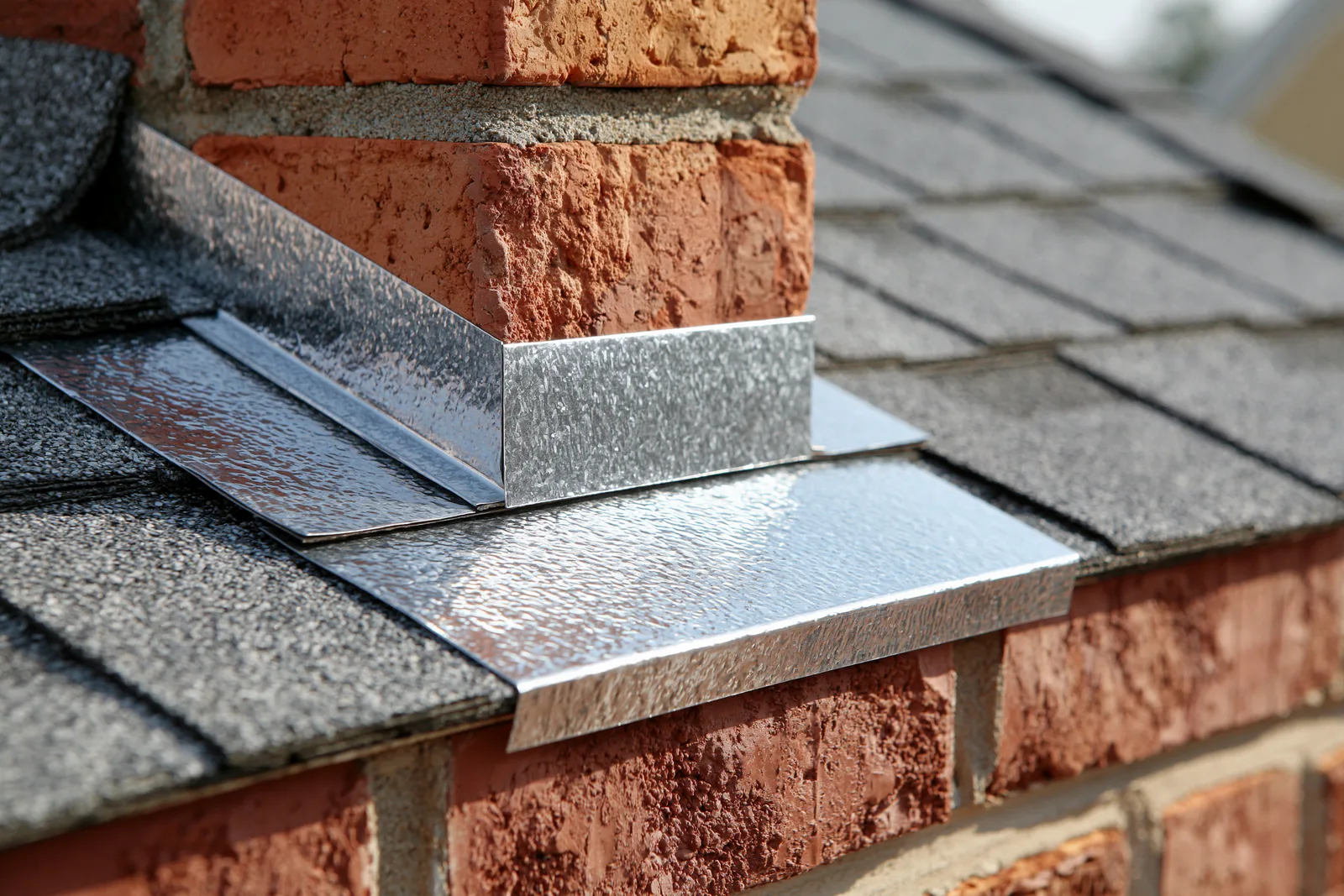
Where a roof runs into a wall, a dormer or a chimney, overlapping pieces of bent metal called step flashing carry water past the joint, and the siding or a second layer of metal covers their top edge. When that metal rusts through, pulls loose or was never lapped correctly, water gets behind it. Surface caulk does not fix flashing that is formed wrong or missing. The repair takes up the shingles along the joint and replaces the metal one course at a time. It can also mean loosening siding or cutting a new joint into the chimney mortar for the cover flashing.
- Valleys
A valley collects the runoff from two slopes, so it moves more water than any other part of the roof. A small defect there leaks far more than the same defect out in the open. Valley repairs mean opening shingles on both sides to reach the lining underneath, which makes them bigger than they look from the ground.
- The wood under the shingles
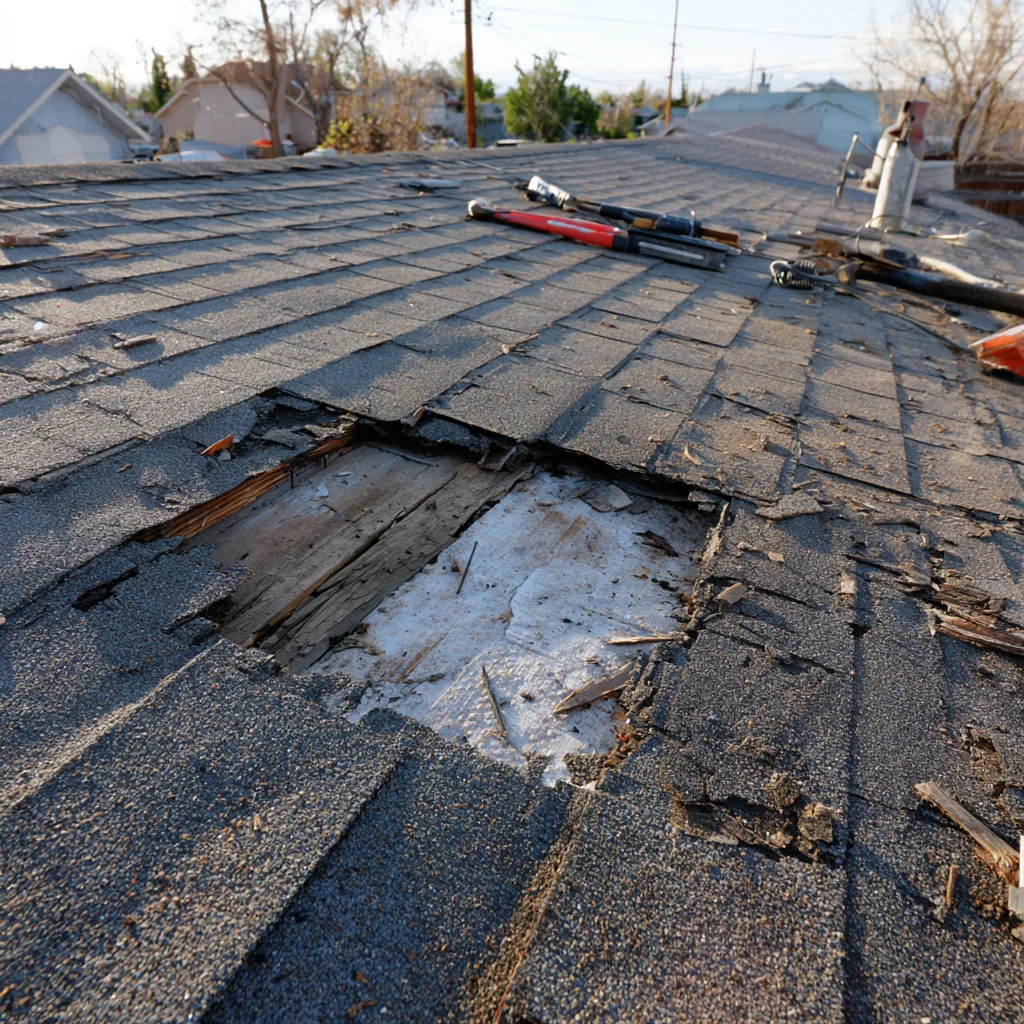
A leak that has run for a while softens the decking, the plywood or boards the shingles are nailed to. Soft wood will not hold a nail, so new shingles over it will not stay put. The roofer strips the covering back until the wood is solid, cuts out the bad section to the nearest rafters and fastens in new sheathing before the roofing goes back on. The job grew because the support needed work, which is a different thing from how much water you saw indoors.
How a roof repair in Independence is carried out
Most repairs follow the same order, whether they take an hour or most of a day.
Trace the water to where it gets in
The roofer starts from the room you describe and works uphill. Water runs along decking and rafters before it drips, so the entry point is often several feet above the stain. Vents, wall joints, chimneys and valleys in that path get checked first.
Check the roof around it
Before anything comes apart, the roofer tests whether nearby shingles still bend without cracking, looks at earlier patches and presses for soft spots in the deck. That decides how far the repair has to reach to land on good material.
Open the roof at the failed part
Shingles are unsealed and lifted, nails pulled, and failed metal removed. Layers of roof cement from earlier fixes get scraped off, because new material will not bond to them.
Fix the wood if it needs it
Decking that is soft, black or crumbling is cut out and replaced so the new roofing has something solid to nail to.
Rebuild from the bottom up
Underlayment, then metal, then shingles, each piece lapped over the one below so water always runs onto the next layer and never behind it. New shingles are nailed in line with the existing courses and the tabs sealed down.
Check it and clean up
The repaired area is looked over, loose nails and debris are picked up, and you hear what was found and what was done.
The surrounding shingles matter
Shingle work rarely ends at the exact outline of the damaged piece. Nearby shingles have to lift enough for the roofer to reach concealed fasteners and place the new material in the correct course. If those shingles crack during careful handling, a patch becomes harder to tie in reliably.
How far that condition extends matters. An isolated worn area and brittle shingles across several slopes lead to different choices. Roof age provides context, but it cannot replace looking at the material, past repairs and the condition of the remaining roof.
That is where repair ends and wider work begins. One failed detail on a roof with plenty of life left is a repair. When the same cracking, curling or bare spots show up on slope after slope, each repair buys less time, and it makes sense to price a replacement beside the next repair before deciding.
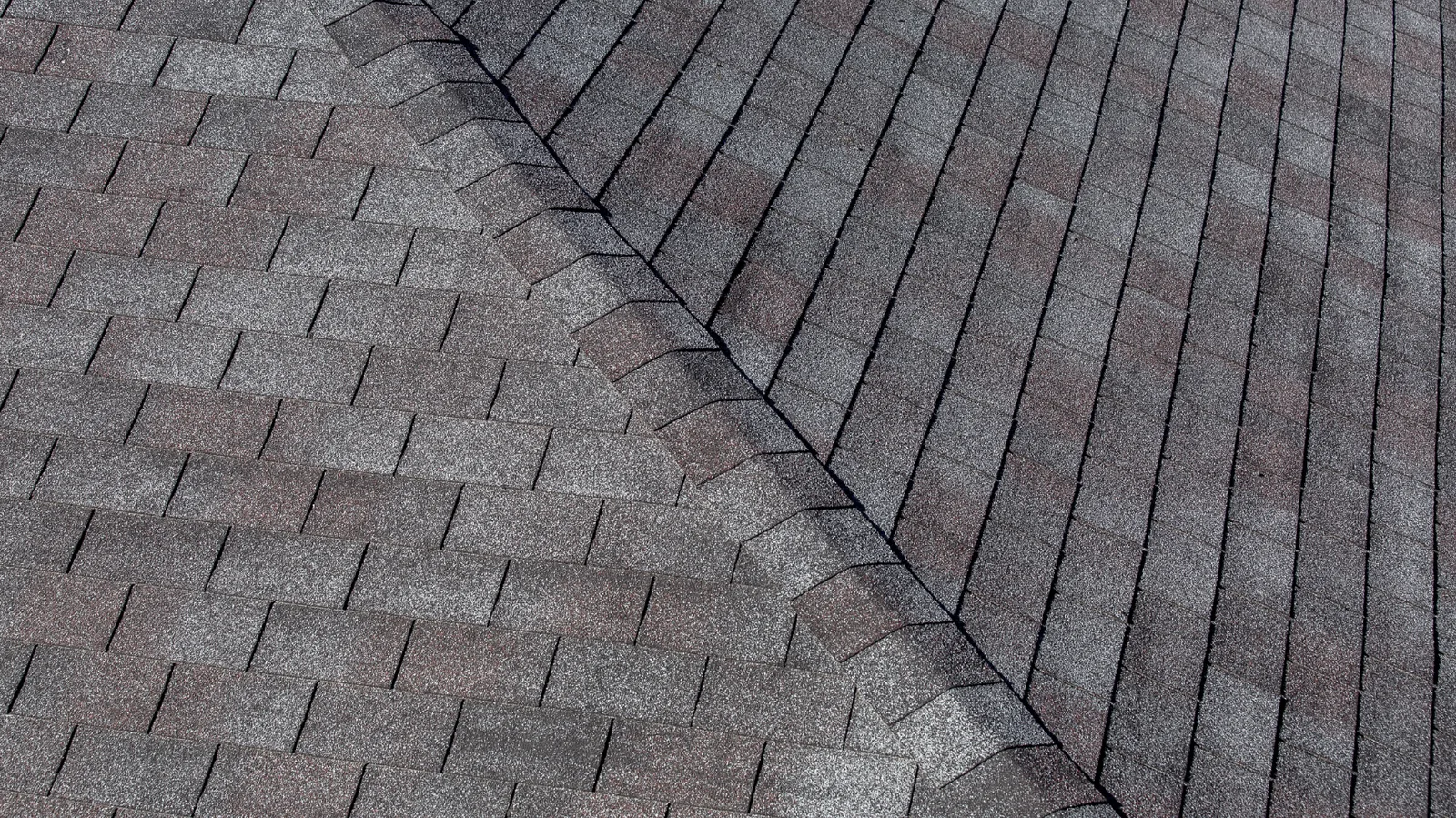
Roof repair costs in Independence
Two leaks that look alike from indoors can call for very different work. The repair price follows what it takes to reach and rebuild the failed area.
| What changes the price | Keeps the repair small | Makes it a bigger job |
|---|---|---|
| The part that failed | A cracked pipe boot on shingles that still lift cleanly. A few courses come up, the new boot goes on and the shingles go back. | Step flashing along a dormer or porch wall. Every course along the wall is lifted, and siding or cover flashing above it may have to be loosened to get new metal behind it. |
| Where the water runs | A spot out in the open field of a slope, where only the rain that lands above it passes over. | A valley or a low point below a wall, where runoff from a large area is concentrated and shingles on both sides have to be opened. |
| Getting to it | A walkable single-story slope reached from the driveway. | A steep second-story slope above a narrow side yard, where setting ladders and safety gear takes longer than the repair itself. |
| What is under the shingles | Dry, solid decking that takes the new nails. | Soft or blackened wood that has to be cut back to the rafters and replaced. How much cannot be counted until the area is open. |
| What was done before | An original detail that simply wore out. | Layers of roof cement and mismatched patches that have to be scraped away before a proper repair can be built. |
New shingles on a weathered roof rarely match it exactly, because the old ones have faded. A close match and a watertight repair are separate questions, and the second is the one that protects the house.
Keep clear of a roof that is leaking
Stay off a wet or damaged roof. If water is near a light fitting or other electrical equipment, keep people away from the area and get qualified electrical help. Do not stand under a sagging ceiling or climb into a wet, unsafe attic.
Where it is safe, move belongings away from the drip and catch water in a container. Temporary protection addresses ongoing water entry while the permanent repair is assessed; it does not establish that the underlying roof is sound.
Independence Roof Repair FAQs
Can roof repair solve a leak without replacing the whole roof?
Yes, when the source is a localized defect and the surrounding roof can support a sound repair. A failed boot or flashing connection can let water in on an otherwise serviceable roof. Widespread deterioration or damaged decking can change that answer.
Is a roof too old to repair?
Age alone does not decide it. Shingles that still accept a careful repair are different from brittle material that breaks as the adjoining courses are lifted. The inspection also needs to consider how much of the roof shares the same condition.
Does fixing the roof include repairing the ceiling?
Roof work stops the water at the exterior source. Wet insulation, damaged drywall, paint, mold concerns or electrical damage can require separate work by the appropriate trade. Those interior needs should be kept distinct from the roof repair scope.
Does a roof repair need a permit in Independence?
The city explicitly requires a permit for home reroofing. A localized repair is a different scope and should be confirmed with Building Inspections. Our Independence permit guide points to the current city rules and explains the distinction.
Get your Independence roof repair started
A room name, a visible roof change or the time you first noticed the leak gives the conversation a useful starting point. Request a free inspection and let the roof findings determine the next step.
Call (816) 427-2878