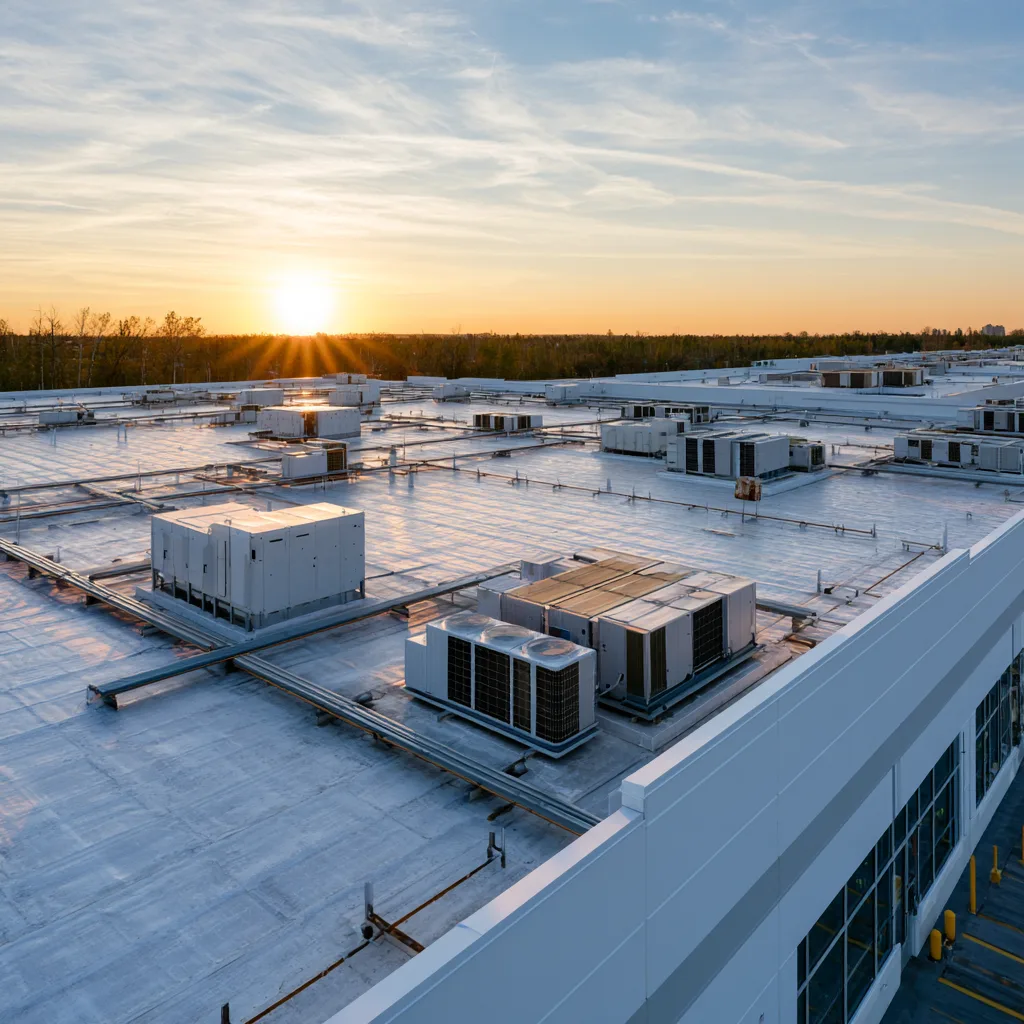
Commercial roofing in Independence, MO
A sound roofing plan has to work for the building and the business below it. Get help with leaks, system condition and the choice between repair, restoration and replacement.
A free inspection. A closer look at the roof. A useful next step.
Independence commercial roof work starts below the surface
A leak over a tenant’s desk may have started at a seam, equipment curb, drain or another interruption in the roof. The covering is only the visible part of the system. Water held beneath it can affect insulation and conceal a wider problem than the opening itself.
A useful commercial assessment considers the membrane or metal surface, connections at penetrations, how water reaches the drains, and the condition of the layers underneath. That separates a repairable detail from a roof that needs broader work.
Tell us the building use and where water is affecting the interior. You do not need to identify the membrane before asking for a free inspection.
What an Independence commercial roof inspection checks
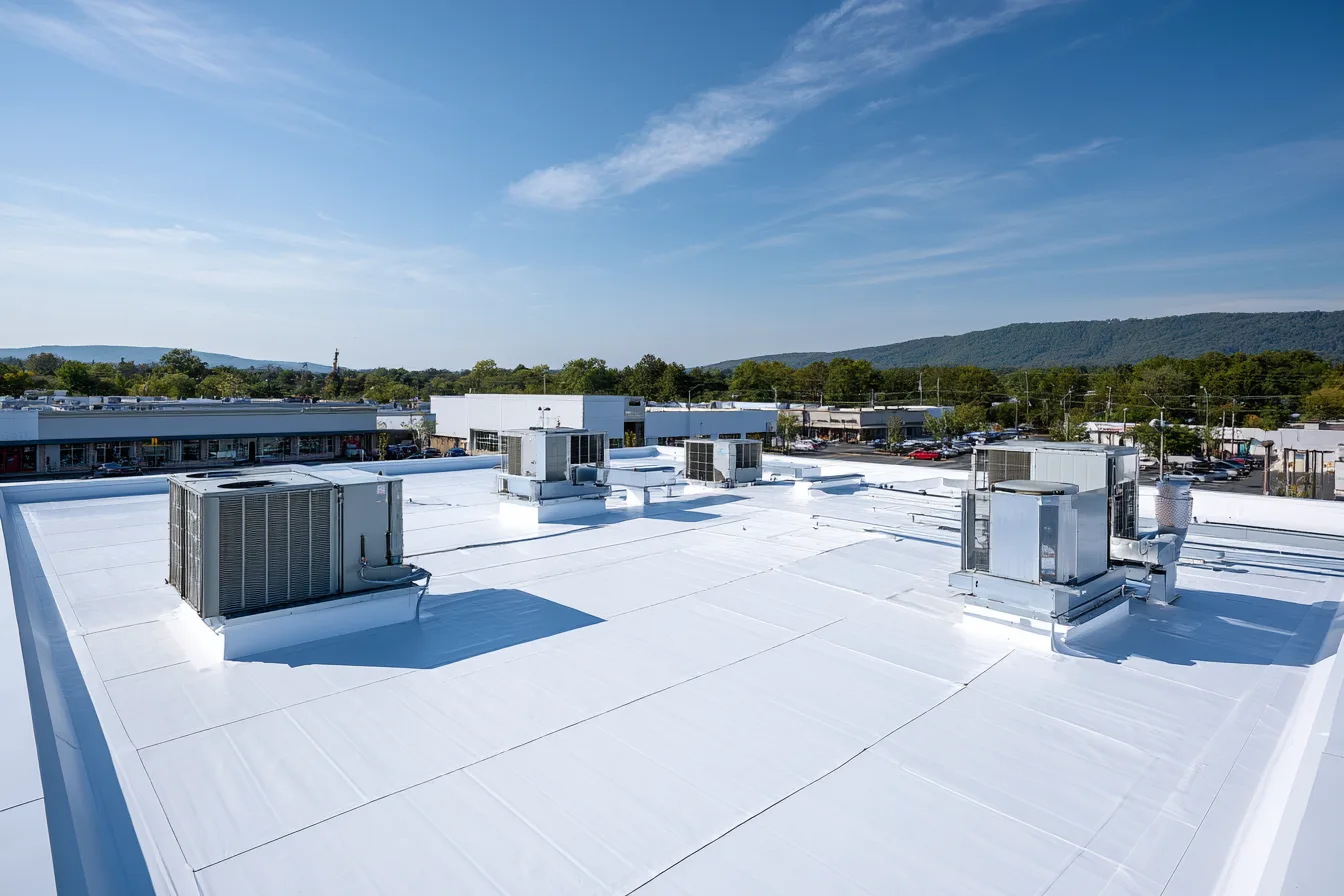
On a low-slope roof the open field of membrane is rarely the whole story. The inspection concentrates on the places where the surface is interrupted and on what is happening underneath.
- Seams and the field membrane
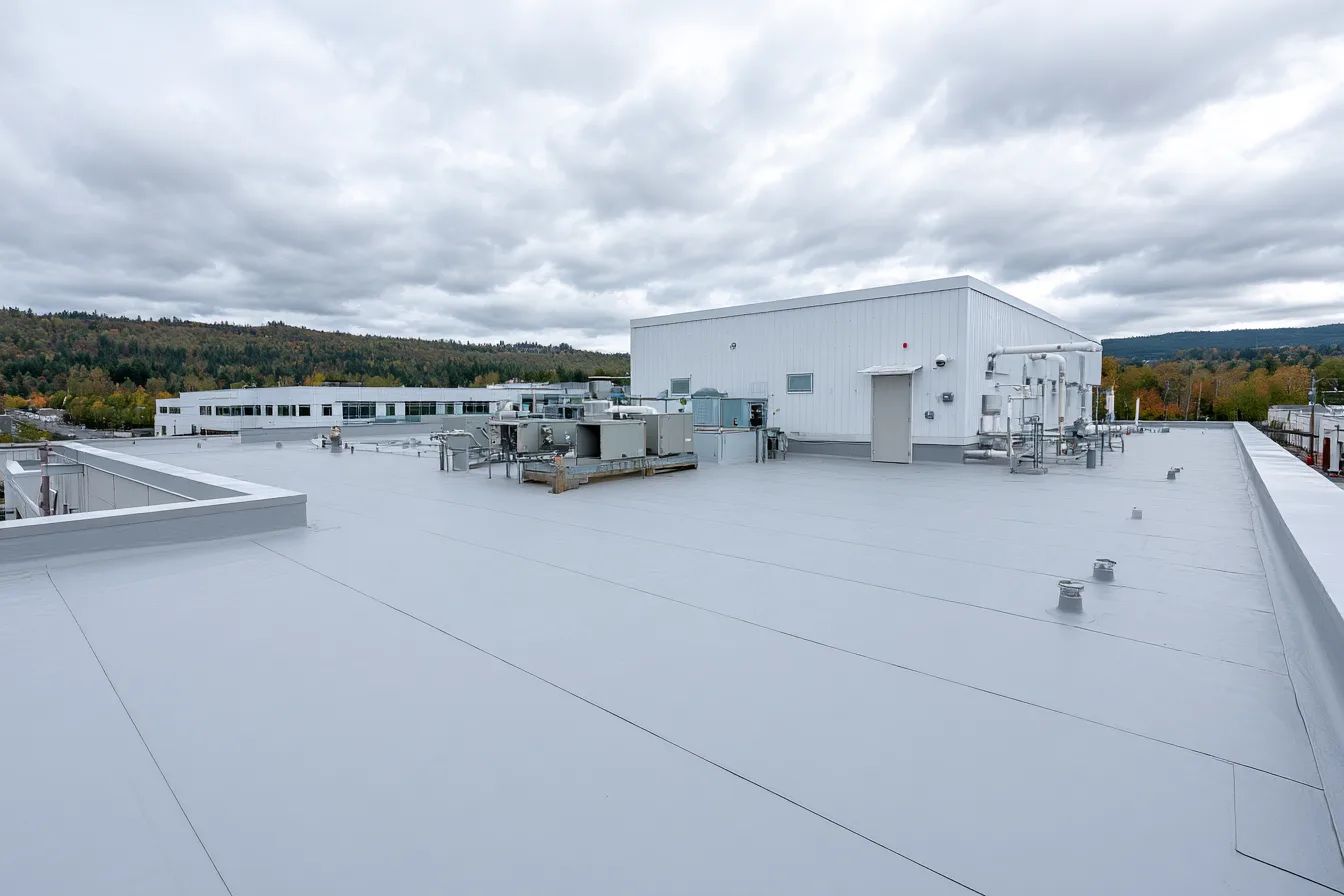
Single-ply roofs are welded or glued together at the seams, and built-up and modified roofs are lapped. The roofer probes seams for openings and looks for punctures, shrinkage pulling at the edges, surface cracking and earlier patches made with the wrong material.
- Curbs, pipes and walls
Every HVAC curb, pipe, skylight and parapet wall is a flashing, and flashings take the movement and the foot traffic. The roofer looks for splits at corners, loose termination bars, open pitch pans and sealant that has dried out.
- Drains, scuppers and standing water
A flat roof is never truly flat. It is sloped to drains or scuppers, and water still standing two days after rain marks a low spot, a clogged drain or sagging insulation. Ponding speeds up wear, adds weight and shows where leaks are likely to start.
- Moisture under the membrane
Water that gets in soaks the insulation and stays there. Wet insulation stops insulating, rusts a steel deck or rots a wood one, and can turn a small leak into a large replacement area. A soft feel underfoot is the first clue. Core cuts or a moisture scan can map how far it goes when the answer matters to the decision.
- Edges and attachment
Wind loads are highest at the perimeter and corners, so edge metal, coping and the membrane’s attachment there get a close look. Loose edge metal is often where a blow-off starts.
Repair, restore or replace an Independence commercial roof
Repair a defined defect
An open seam, damaged flashing or isolated puncture can call for system-compatible repair. The surrounding material needs to accept the repair, and the wet area beneath the surface still needs to be understood. A patch that stops the visible leak does not automatically resolve trapped moisture.
Restore a suitable roof
A coating is a restoration option for an appropriate existing system after preparation and necessary repairs. Adhesion, drainage and substrate condition matter. A fresh surface does not rebuild deteriorated decking or make wet insulation dry.
Replace what can no longer serve
Replacement becomes a different conversation when deterioration is widespread, moisture is trapped through the assembly, or recurring problems require more than detail work. Removal creates access to the deck and an opportunity to address insulation and drainage as part of the new assembly.
Commercial roofing services in Independence
Begin with the existing system or the work you need to understand.
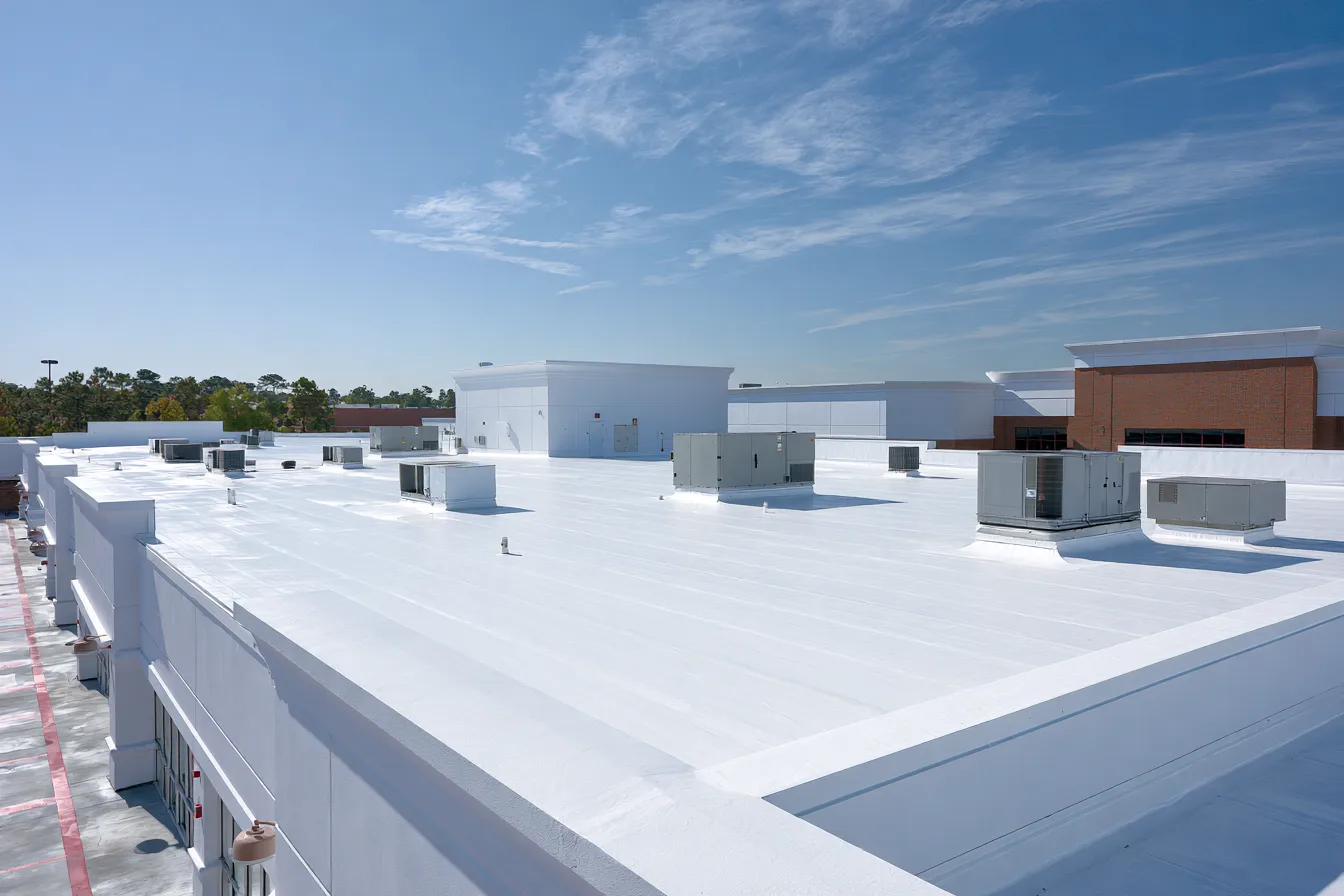
TPO roofing
Consider welded seams, attachment, insulation and the details around rooftop equipment.
Explore this service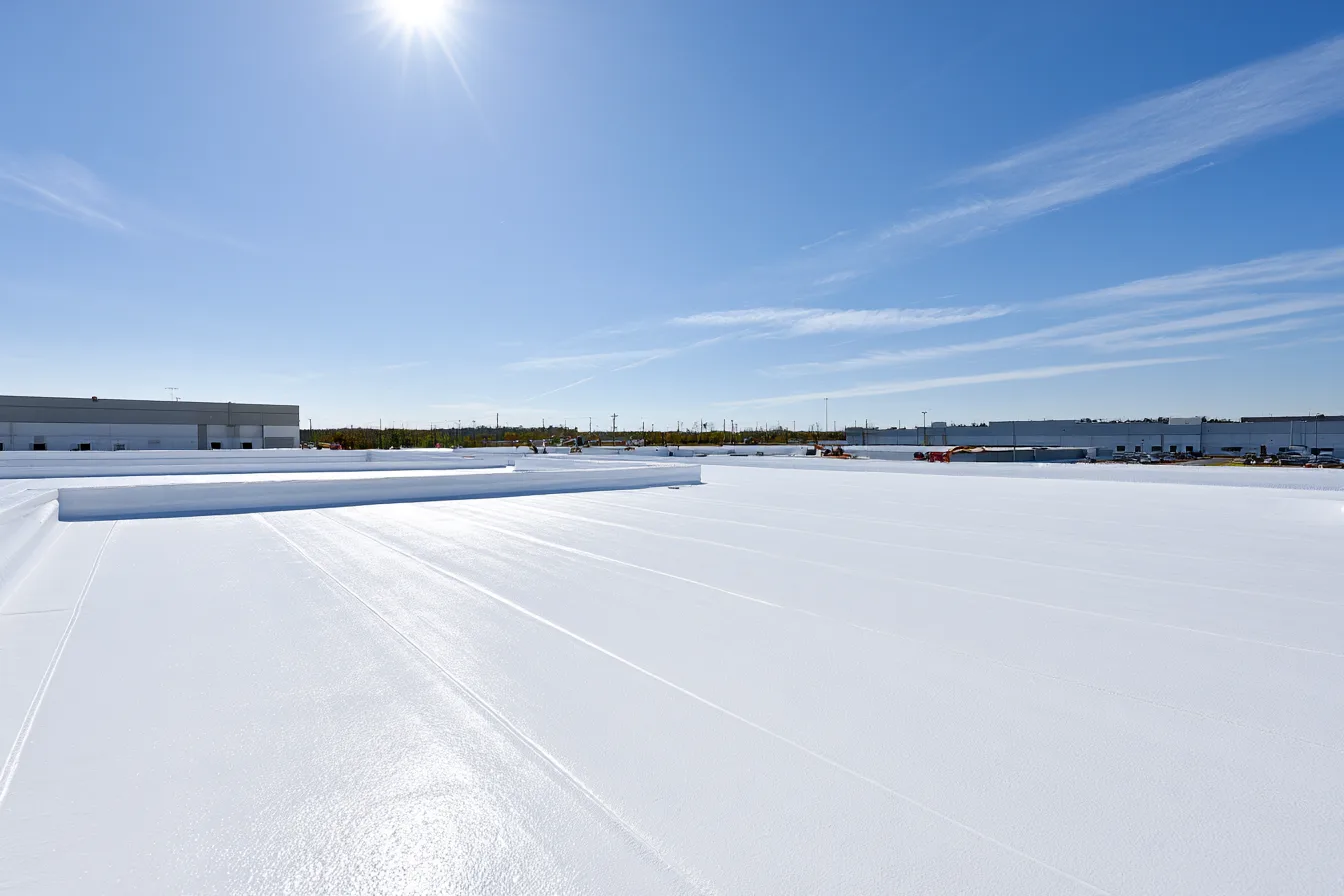
Roof coatings
Find out what makes an existing roof suitable for restoration and what preparation it needs.
Explore this service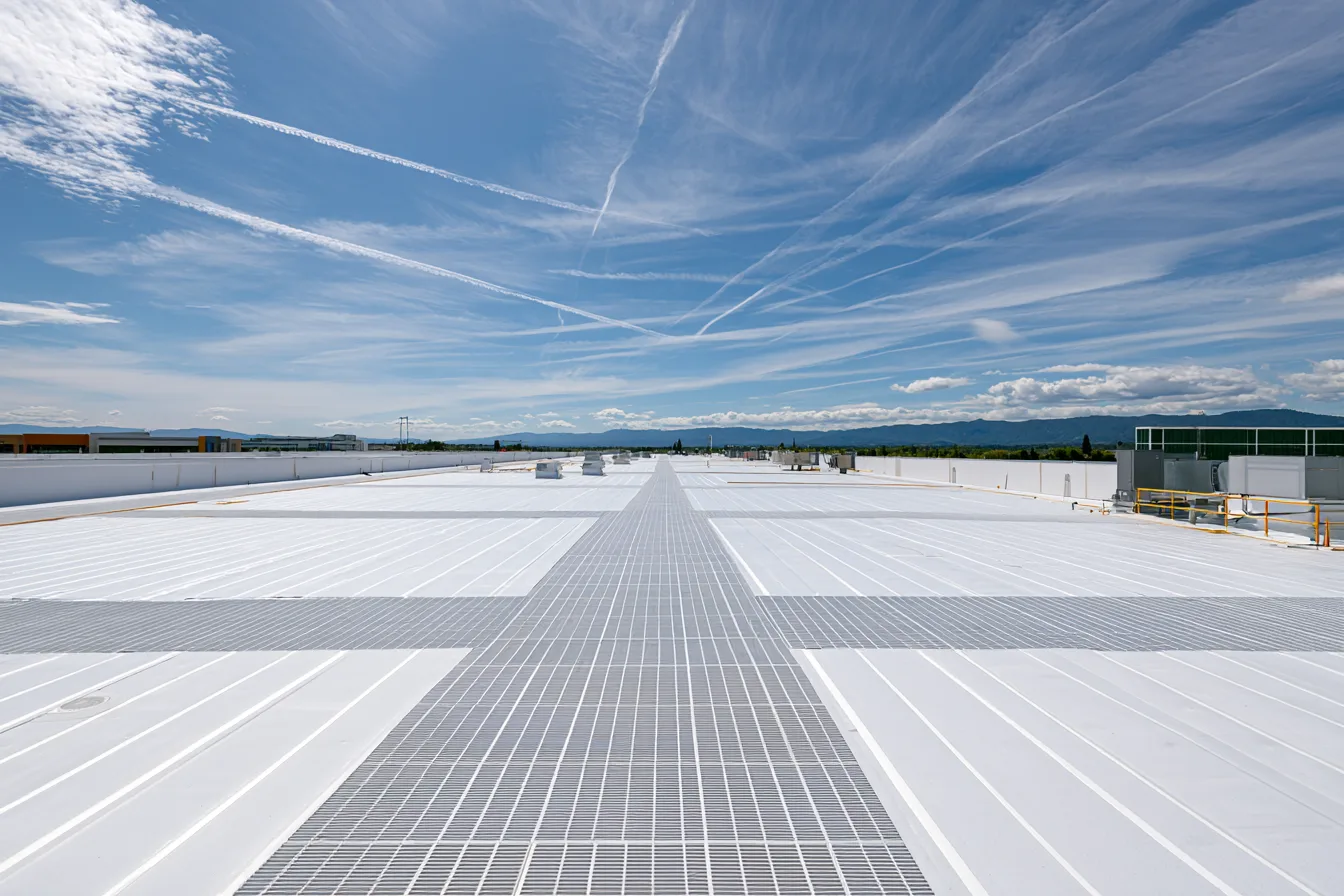
Flat roof repair
Trace a low-slope leak through seams, drains, edges and the affected layers.
Explore this servicePlan Independence commercial roofing around the building
Keep access workable
Roof access, loading areas and occupied entrances affect staging and material movement. Those routes need to be discussed alongside the roof scope, particularly where deliveries or customers cannot simply move elsewhere.
Include rooftop equipment
HVAC units, exhausts and service walkways create traffic and penetrations. Roofing work around them may need coordination with another trade. The roofer’s membrane or flashing work and mechanical work should remain clear.
Account for the people below
A leak over stock, a work area or tenant space can change the immediate protection needed. Noise, odors and open-roof work can also affect the building. The work sequence should take that use into account.
Understand drainage
A low-slope roof still needs a route for water to leave. Blocked outlets, depressions and inadequate slopes are different problems. Treating only the surface can leave the drainage issue in place.
A useful roof file makes the next decision easier
If you already have a roof plan, prior repair details or warranty information, those records can help identify the assembly and restrictions on repairs. Share what is readily available. Missing records are not a reason to delay asking about an active leak.
The goal is to connect what is known about the roof with the current findings: where work is needed, what can remain and whether a larger capital project deserves consideration. A manufacturer’s product warranty and a contractor’s workmanship terms cover different responsibilities; neither should be assumed from the name of the membrane.
Independence Commercial Roofing FAQs
Can a coating stop leaks on any commercial roof?
No. The roof has to be suitable for the selected coating system, with preparation and repairs completed first. Wet or deteriorated layers and drainage problems can rule out coating as the complete answer. Suitability must come from the actual assembly and product requirements.
What if I do not know whether the roof is TPO, EPDM or another material?
Describe the building and the problem. Existing records can help, but identifying the roof covering and choosing compatible materials belong in the assessment. Do not apply a general roof cement to an unknown membrane as a substitute for that check.
Can I request help for a tenant-occupied property?
Yes. Include the property location, your role and any access restrictions. If the leak affects a tenant space or sensitive equipment, say where it is occurring so that issue is part of the discussion.
Does commercial roof work follow the same permit rules as a house?
Commercial work needs to be checked against the building, system and proposed scope. Residential reroofing guidance does not settle the commercial requirements. The permit guide links to Independence Building Inspections for the current authority.
Talk through your commercial roof
Share the property, the building use and what needs attention. Start with a free inspection and a conversation about the roof and the operation it protects.
Call (816) 427-2878